Nansen Review: Real Wallet Labels at $49 a Month, but Smart Money Is a Clue and Not a Signal
Nansen labels over 500 million addresses and sells one Pro plan from $49 a month on annual billing. The labels are the best we have used, but copying smart money rarely beats the crowd.

The verdict
Nansen has the deepest wallet labelling we know of, and the free tier plus the Pro plan at $49 a month (annual billing) make it a fair price for an active on-chain trader. It will not turn a retail account into a profitable one: Smart Money lists show what others did after the move, and labels can be wrong or stale. Buy it as research infrastructure, not as a trading signal.
Best for Active on-chain traders and analysts who need wallet labels and flow data
Pros
- Labels cover more than 500 million addresses, per Nansen's own API page
- A free plan exists, and Solana wallet tracking is free for all users
- One paid plan at $49 a month on annual billing keeps the price simple
- API starts free and offers pay-per-call from $0.01 a query without a key
- A beginner academy walks new users through the dashboards
Cons
- Full labels, PnL and alerts sit behind the paid plan, so the free tier is a sampler
- Monthly billing costs $69, a 40% premium over the annual price
- Smart Money flows lag the trade and can mislead anyone who copies them
- Labels are inferred and can be wrong when an actor rotates addresses
- The newer trading features add risk to a product built for research
The pitch for Nansen is an old one in a new coat: a handful of wallets always seem to know where money is going, so watch them and follow. We tested that idea against the product, and our answer is split. The data is excellent. The strategy of copying it is not one we would pay for.
What you are really buying
Nansen's asset is labelling. Its API page claims more than 500 million labeled addresses and real-time data across 25+ chains. A label turns a string of hex into a fund, an exchange, a market maker or a wallet with a good track record. Raw explorers give you the string. Nansen gives you the name, which is why analysts, journalists and researchers use it to see who is moving what.
The marketing has shifted toward trading, and that matters for how you judge it. The site now promotes spot swaps and perpetual futures execution inside the same product. We think the research tools are the strong half.
The price, plainly
There are two plans. Free costs nothing and gives a limited view. Pro costs $49 a month on annual billing and $69 on monthly billing, according to CryptoAdventure's pricing review. The same source says Pro trading fees are 0.10% against 0.25% for free users. Nansen's pricing screens sit behind a login, so check the figures on the day you subscribe.
The monthly rate is 40% above the annual one. If you are not sure you will keep using it, pay monthly for two months and see whether you open the dashboards on days you are not trading. Many people do not, and a research tool that goes unused is a poor deal at any price.
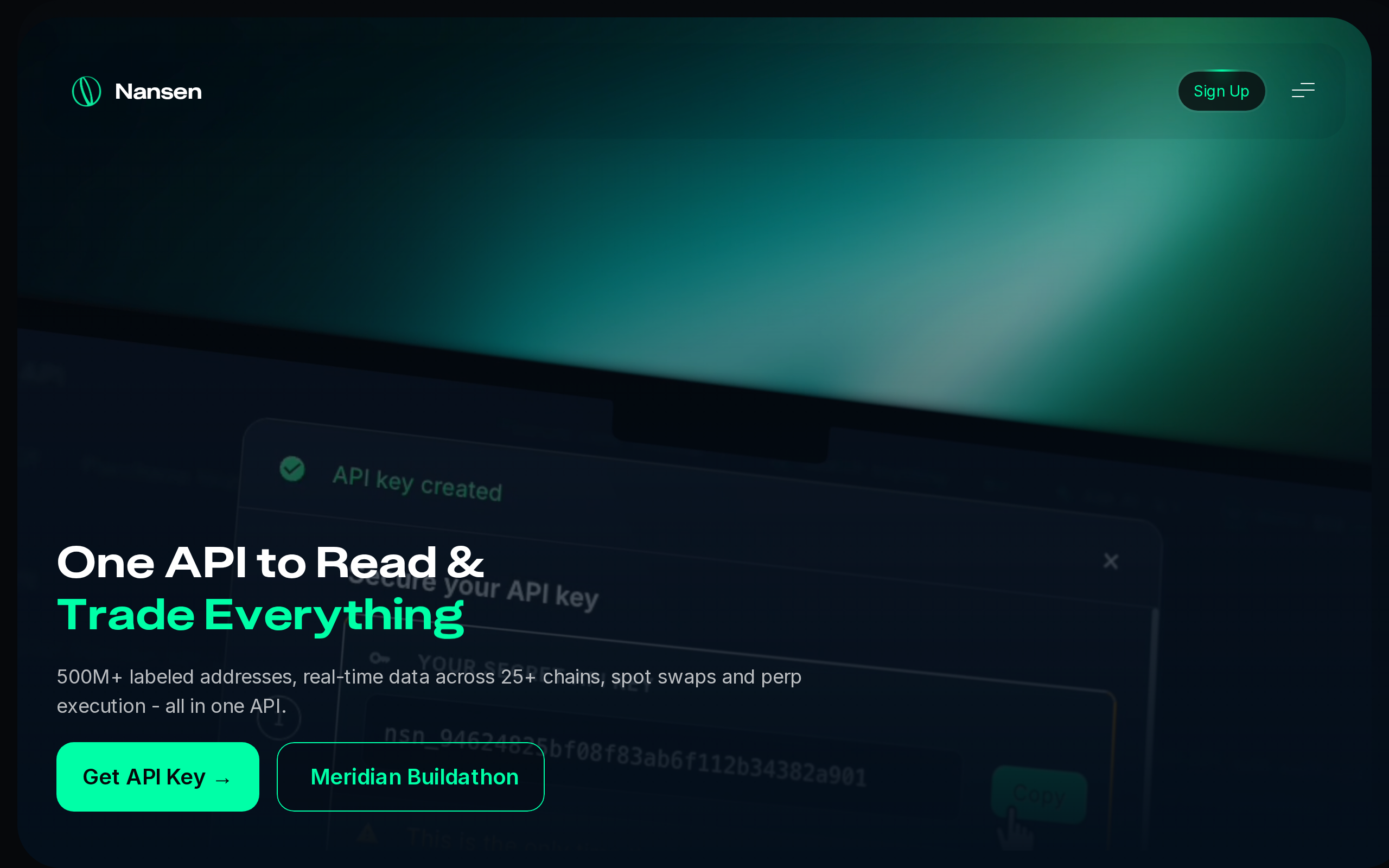
Developers get a separate ladder. The API's free plan is $0 with rate limits of 15 requests per second and 300 per minute, Pro is $49 a month with higher limits, and a pay-per-call route starts at $0.01 a query with no API key.
Where the free tier is enough
Not everything is gated. The Solana wallet tracker is described as free for all users, covering PnL, holdings and trade history for any wallet.
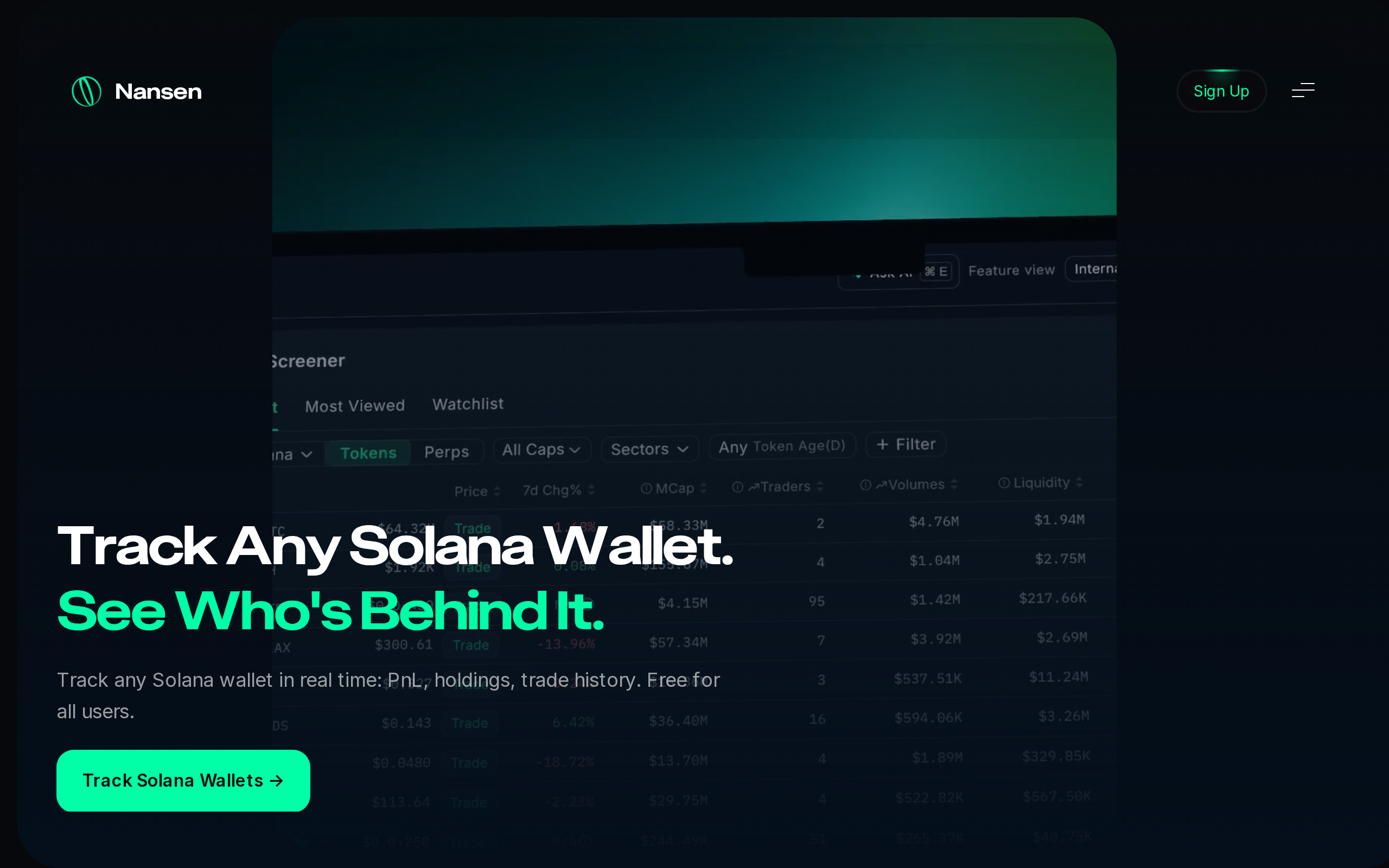
That is a useful tool in itself. If someone sends you a wallet address and claims a ten-bagger record, you can check it in a minute. For casual research, the free tier does real work. Full labels, deeper PnL and alerts are what Pro adds.
Does smart money give a retail edge?
This is the question the whole review turns on, and our position is: rarely.
A Smart Money wallet is one with a profitable history. By the time you see its purchase on a dashboard, the trade has happened, the price has moved, and many other followers have seen the same alert. Wallets can also sell into the people who copy them. Labels are inferred, and an actor who rotates addresses can drop out of the list without warning. CryptoAdventure calls attribution a living problem, and we agree.
Where Nansen does help is in context. Seeing that a token's top holders are a single fund, or that an exchange wallet is loading up before a listing, changes how you read a chart. That is risk information. Treat it as one input among several, and nothing here should be read as a recommendation to buy anything.
The Hyperliquid push
Nansen's Hyperliquid page pitches perps trading, Smart Money tracking and HYPE staking in one place.
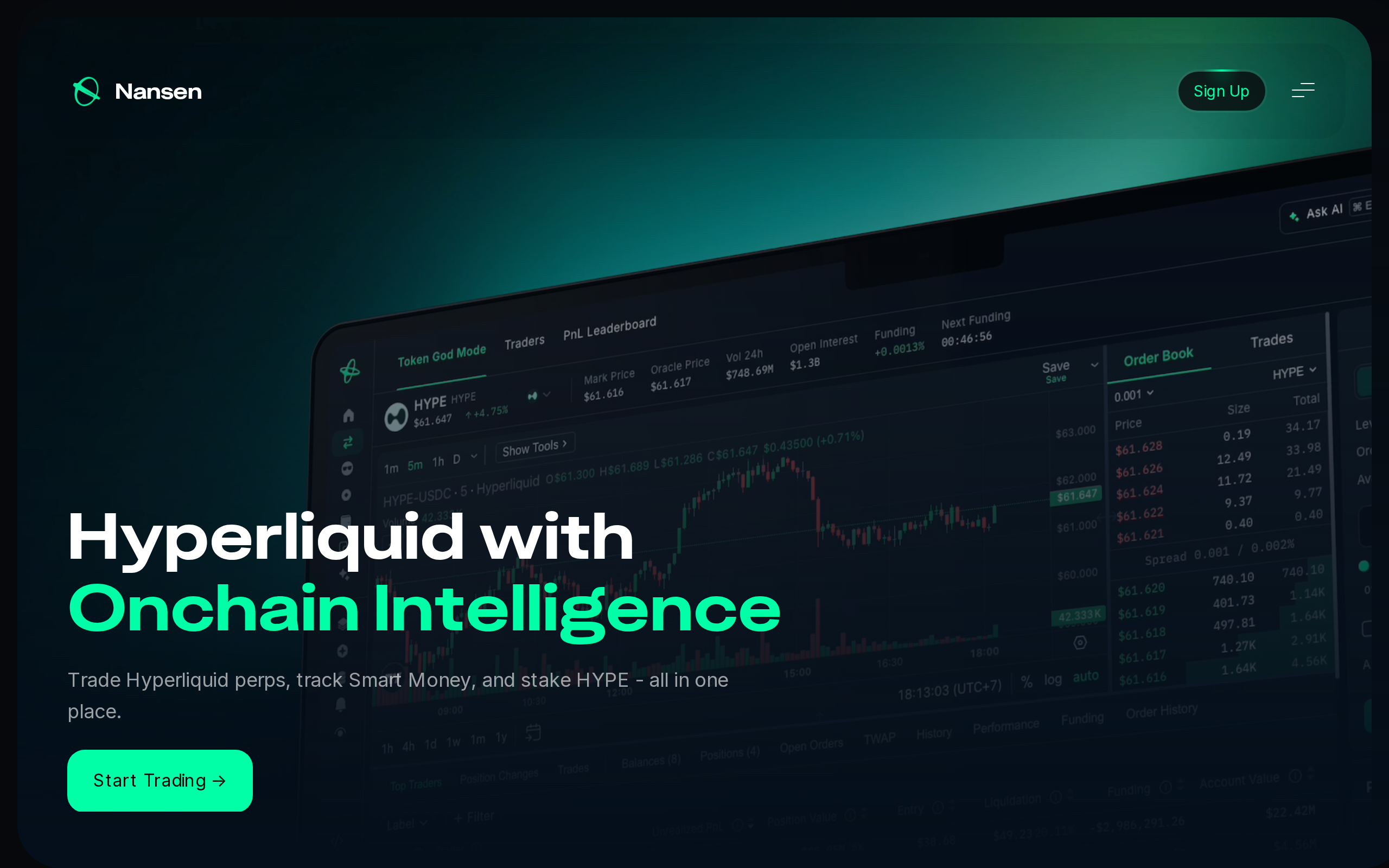
We would be cautious. Linking a tracker to a leveraged trading button makes it easy to act on a half-formed idea. Perpetual futures can liquidate you in minutes, and a Smart Money flag is not a reason to take leverage. Use the research and place trades elsewhere if you are tempted.
Learning it
The tools are dense, and a first session can feel like a cockpit. The Nansen 101 academy is a help centre with beginner guides, including perps and agentic trading primers.

Plan an afternoon to learn the main views. The payoff is real for those who do on-chain research for a living.
Who should pay
Pay if you analyse tokens regularly, write about the market, or run a fund's due diligence: the labels save hours and $49 a month is small against that. Start with the free plan and the Solana tracker if you are curious.
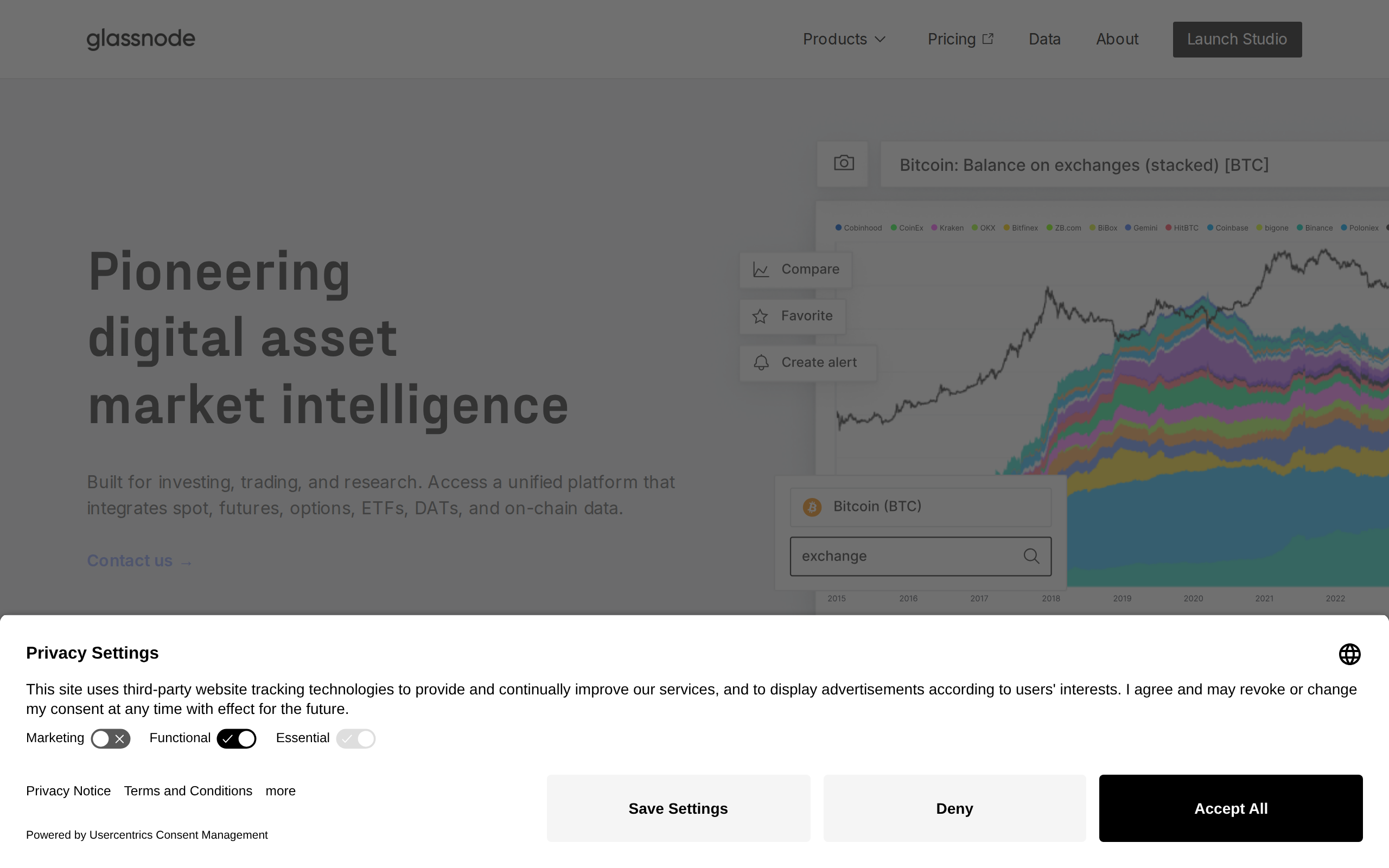
Do not pay hoping the dashboards will make you money. Arkham, Dune and Glassnode, named as alternatives by reviewers, cover different slices of the same job, and none of them removes the risk of a bad trade.
Specifications
- Free plan
- $0, limited labels and data
- Pro plan
- $49 a month annual, $69 monthly
- Labeled addresses
- 500 million or more
- Chains
- 25+ per the API page
- API free plan
- $0, 15 requests per second, 300 per minute
- API pay-per-call
- From $0.01 a query via x402
- Trading fee
- 0.10% on Pro, 0.25% on Free (reported)
- Key views
- Smart Money, Token God Mode, wallet PnL, alerts
As published by Nansen when we tested it.