Binance Review: Deep Liquidity and Low Fees, With a Compliance Record You Should Weigh
Binance still has the deepest order books and one of the cheapest fee schedules in crypto. We tested what that is worth to a retail trader, and what the 2023 U.S. guilty plea means for you.
The verdict
Binance is the best-priced and deepest exchange most retail traders can reach, but it is also an exchange that pleaded guilty to anti-money-laundering failures in 2023. If you live where it is fully licensed and you keep only trading balances on it, the economics are hard to beat. If regulatory clean sheets matter to you, look elsewhere.
Best for Active traders outside the U.S. who value cost and coin choice
Pros
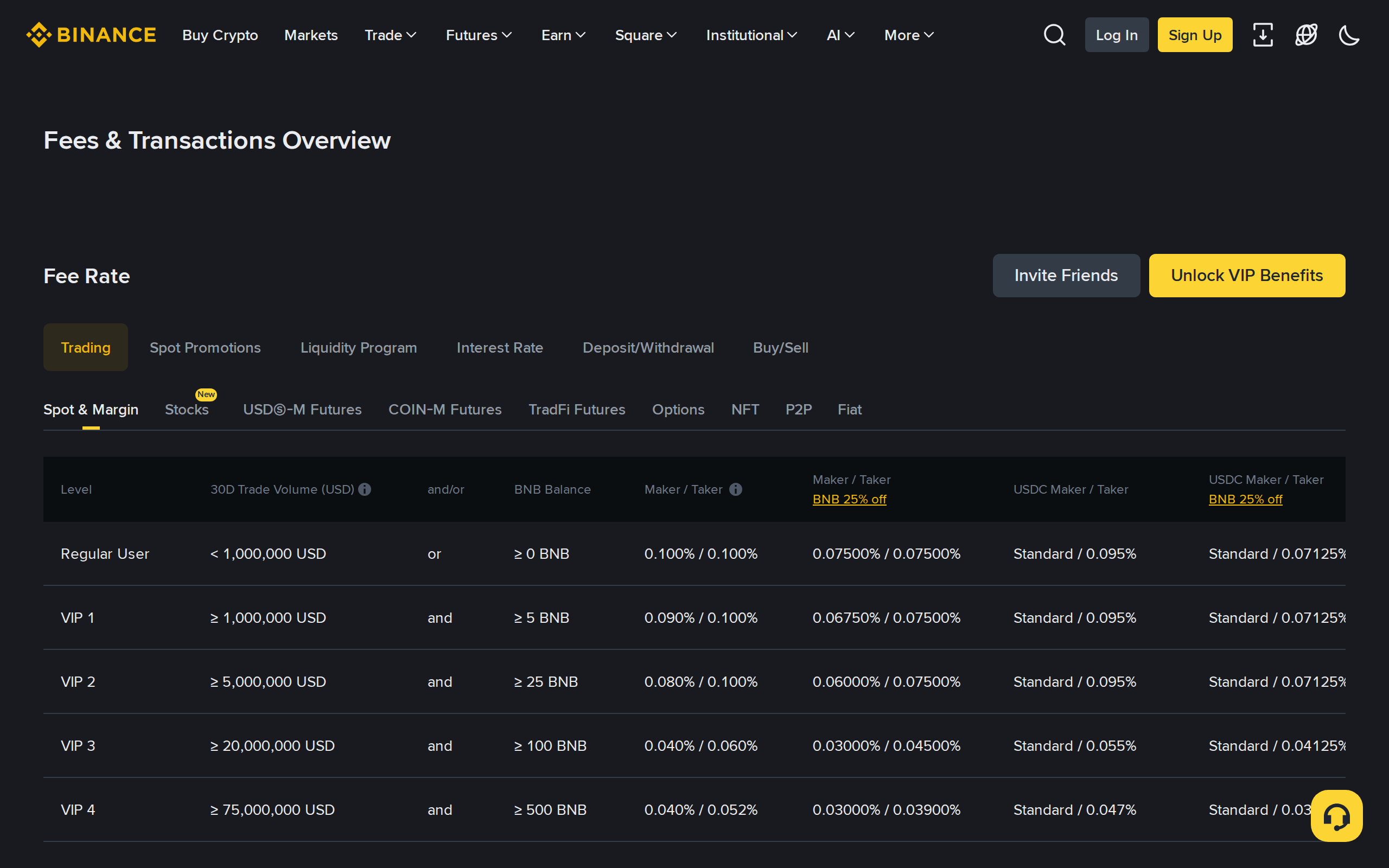
- Spot fee of 0.100% maker and taker, 0.075% when paid in BNB
- Order books deep enough that large market orders slip very little
- Spot, margin, futures, Earn and a large coin list under one login
- Proof-of-reserves page and SAFU fund add some custody transparency
Cons
- Pleaded guilty to Bank Secrecy Act violations in 2023 and paid over $4.3 billion
- Product range and availability differ sharply by country, and the U.S. site is separate
- The interface is dense, and beginners will find the sheer number of products confusing
- Support is mostly chatbot and FAQ first, with slower human escalation
Start with the uncomfortable part. In November 2023 Binance and its founder Changpeng Zhao pleaded guilty to U.S. federal charges, and the company agreed to pay more than $4.3 billion. The charges covered a failed anti-money-laundering program, unlicensed money transmission and sanctions violations. Zhao stepped down as chief executive. Any review that skips this and goes straight to fee tables is selling you something.
So the question we set ourselves was narrow: does the best price in the market justify that history for an ordinary retail trader? Our answer is a qualified yes, with conditions we spell out below.
What the fee schedule really gives you
A new account pays 0.100% on spot, maker and taker alike. Pay fees in BNB and the rate drops by a quarter to 0.075%. That is low for a platform of this size, and it is flat, so you never have to work out a hidden spread. VIP 1 asks for $1 million of 30-day volume plus 5 BNB, which no casual trader will reach, so for most people 0.075% is the number that matters.
Compare that with a mainstream regulated app. Retail buy buttons on many regulated apps add a spread on top of an explicit fee, and the total can run several times higher. On steady trading volume that gap compounds into real money over a year.
Withdrawal fees are separate and set per network, so check them before you move funds. We found them competitive on cheap networks and unremarkable on Ethereum.
Liquidity is the part you feel
Fees are the number you read. Depth is the number you feel. Bitcoin and Ether books are thick enough that ordinary retail tickets barely move the price. Smaller altcoin pairs are where Binance pulls further ahead of rivals, because it lists far more of them and usually has real volume behind them.
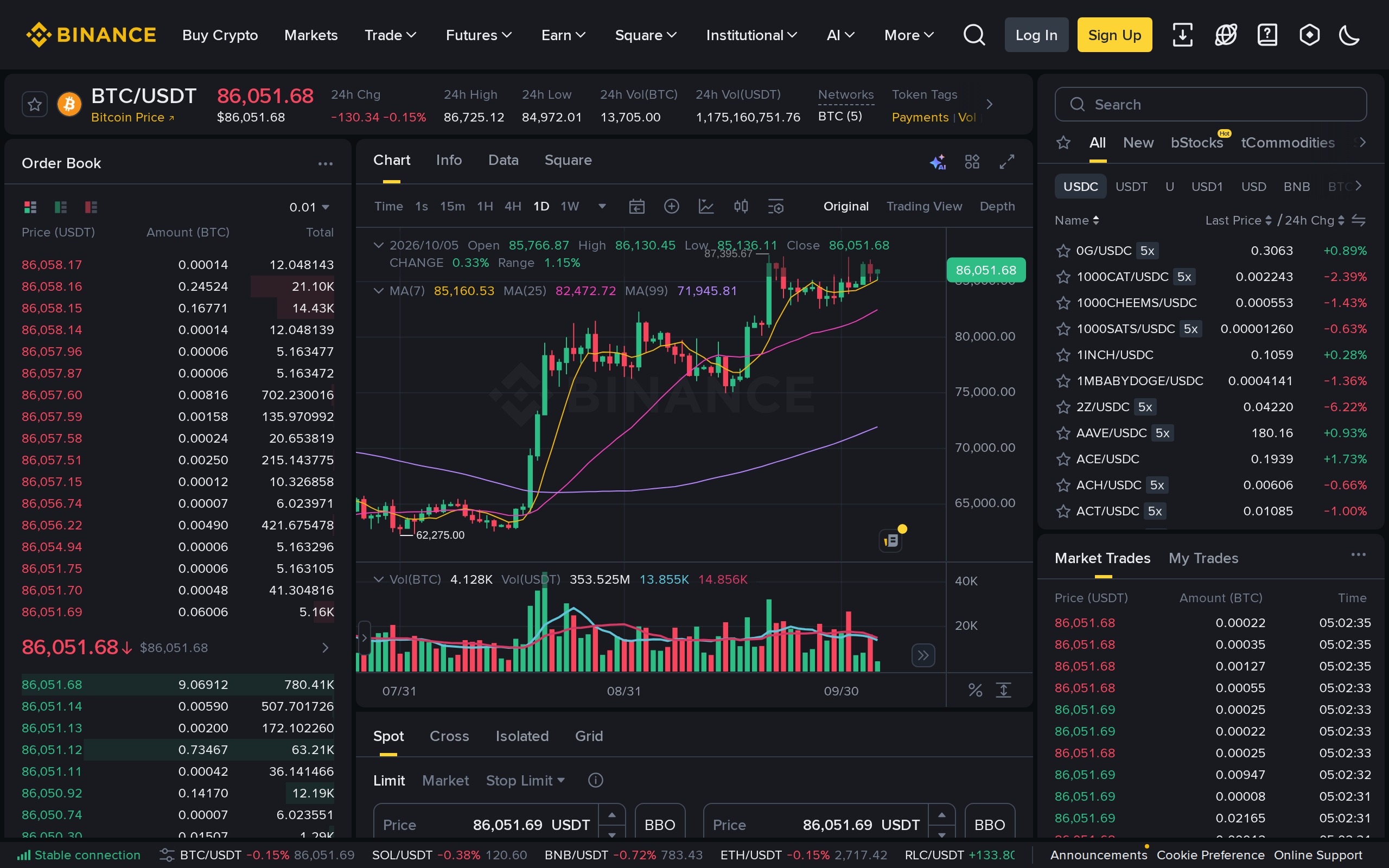
The spot terminal itself is a professional layout, which is a polite way of saying it is crowded. Regular traders will be at home within a day. Newcomers should use the simpler Convert and Buy Crypto routes first, and accept a slightly worse price for fewer mistakes.
Futures, Earn and the rest of the shelf
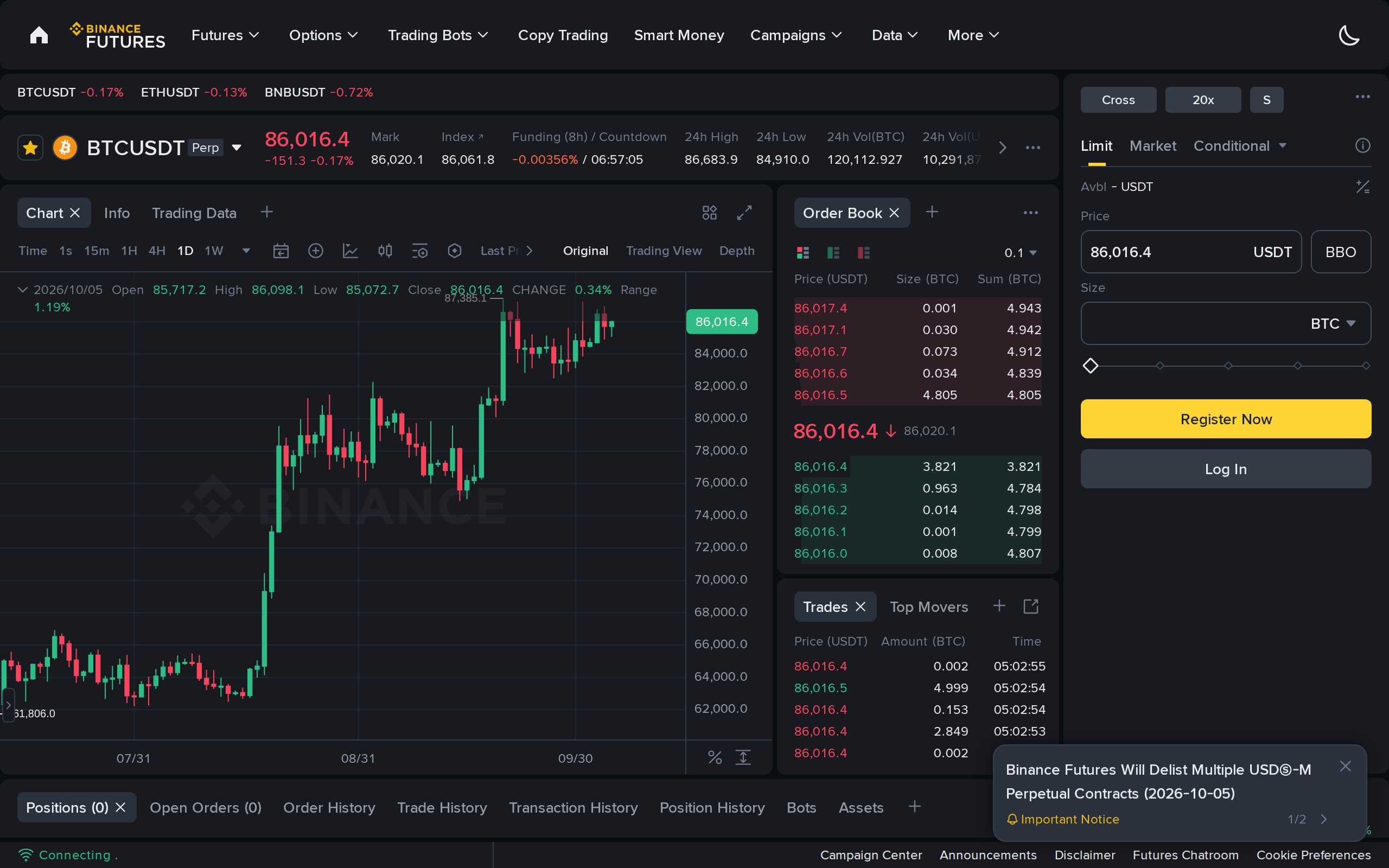
Binance runs perpetual futures on a long list of pairs with high leverage. We looked at the BTCUSDT perpetual, the most active contract. We will say plainly what the product is: leveraged trading loses most people money, and the exchange earns fees whichever way you fall.
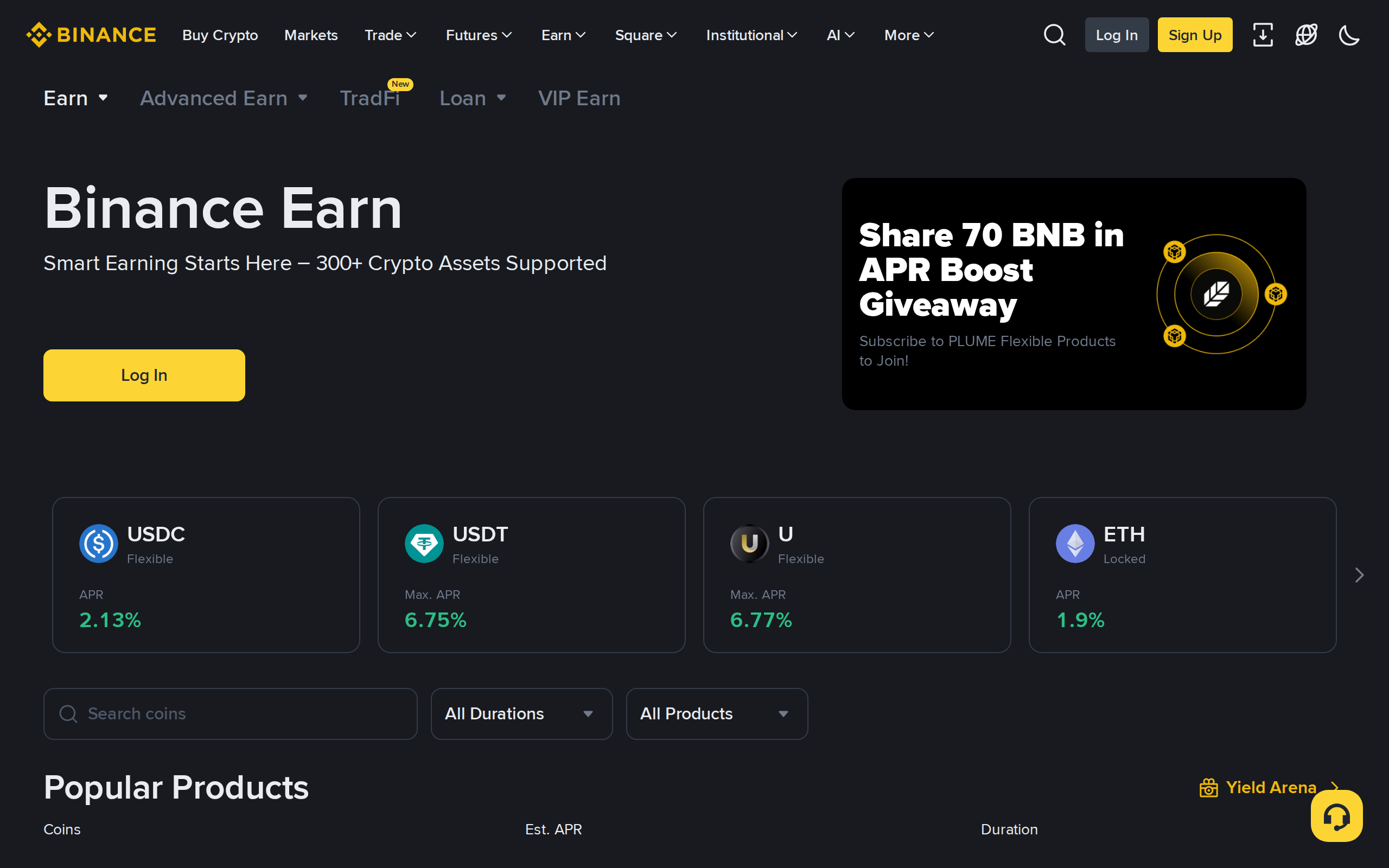
The Earn section advertises more than 300 supported assets across flexible and locked products. Yields are variable, and locked products tie up your coins. Treat Earn as a lending product with counterparty risk, not a savings account.
Custody, support and where it falls short
Binance publishes proof-of-reserves data and keeps a SAFU emergency fund, which helps, but neither is an audit of solvency in the sense that a bank is audited. Our rule for every centralized exchange applies here with extra force: keep trading balances on the platform and move the rest to your own wallet.
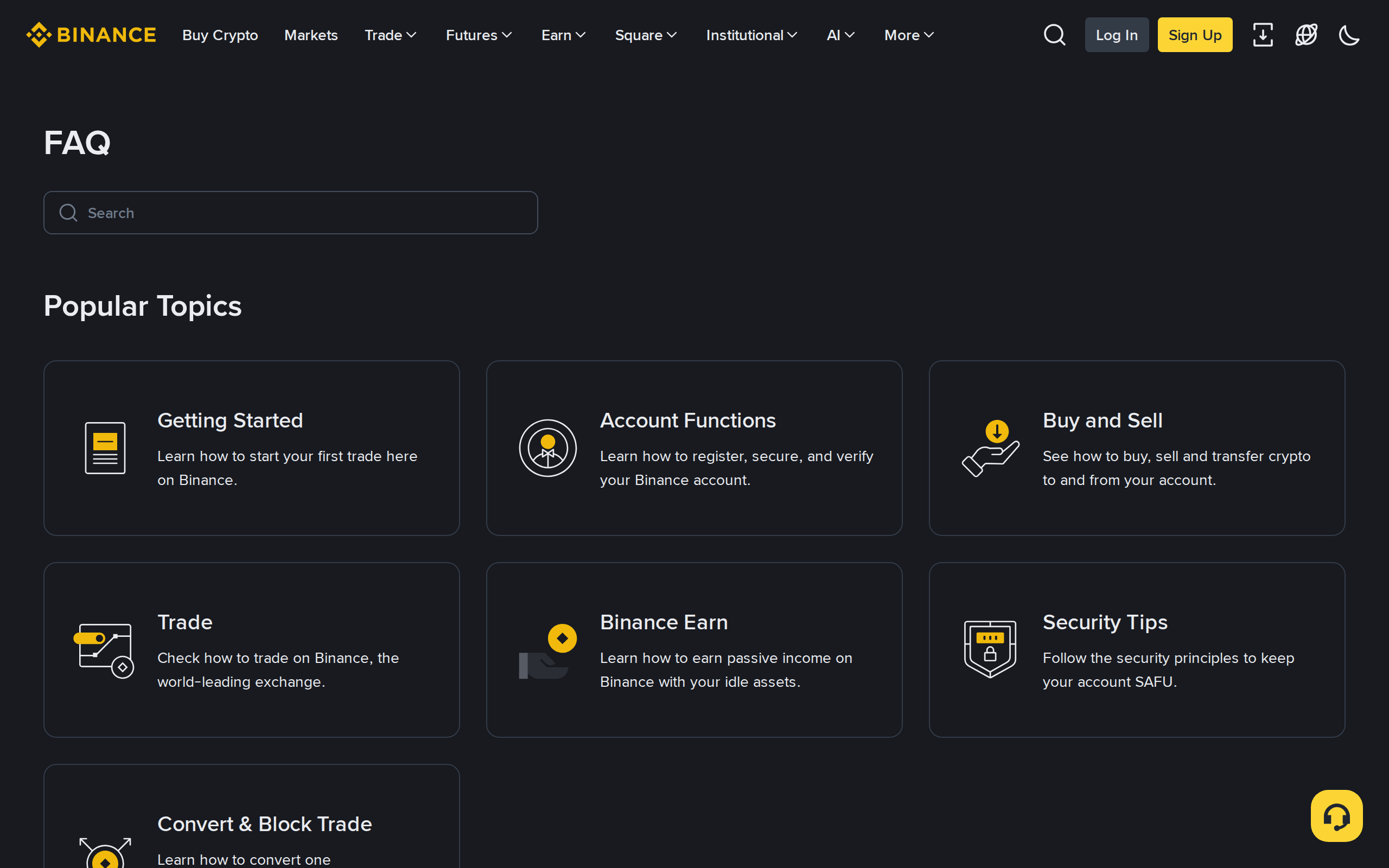
Support is the weak spot. The route to a person runs through the FAQ and a chatbot first. Expect templated first replies and a wait when a case needs a human. Plan for that before you hold a large balance on the platform, because a stuck withdrawal is the moment you will want a person.
Access is the last catch. Binance.com is not open to U.S. residents, who are routed to the separate Binance.US with a smaller menu and different prices. Several other countries restrict derivatives or specific products. Check your own jurisdiction's rules before you sign up, and do not use a VPN to get around a block: it can get your account frozen.
Who should use it
Choose Binance if you trade often, want a long coin list, accept the regulatory record with open eyes and live somewhere it is licensed. Skip it if you want the cleanest compliance story, if you are a U.S. resident, or if you would rather pay more for a simpler product. This is not advice about what to buy or whether to trade: it is a description of a venue, and the choice of venue is yours.
Specifications
- Spot fee (base)
- 0.100% maker / 0.100% taker
- Spot fee with BNB
- 0.075% (25% discount)
- VIP 1 threshold
- $1M 30-day volume and 5 BNB
- Registered users
- Over 330 million (Binance homepage claim)
- Earn assets
- 300+ supported (Binance Earn page)
- 2023 U.S. settlement
- $4.3B+ with DOJ, CFTC, Treasury
- U.S. access
- Not on Binance.com; separate Binance.US
As published by Binance when we tested it.