Koinly Review: Can You Trust Its Tax Report on a Messy Crypto History?
Koinly connects to 1,000+ exchanges and wallets and prices its plans by transaction count. We looked at what it handles well, where its numbers need a human, and who should skip it.
The verdict
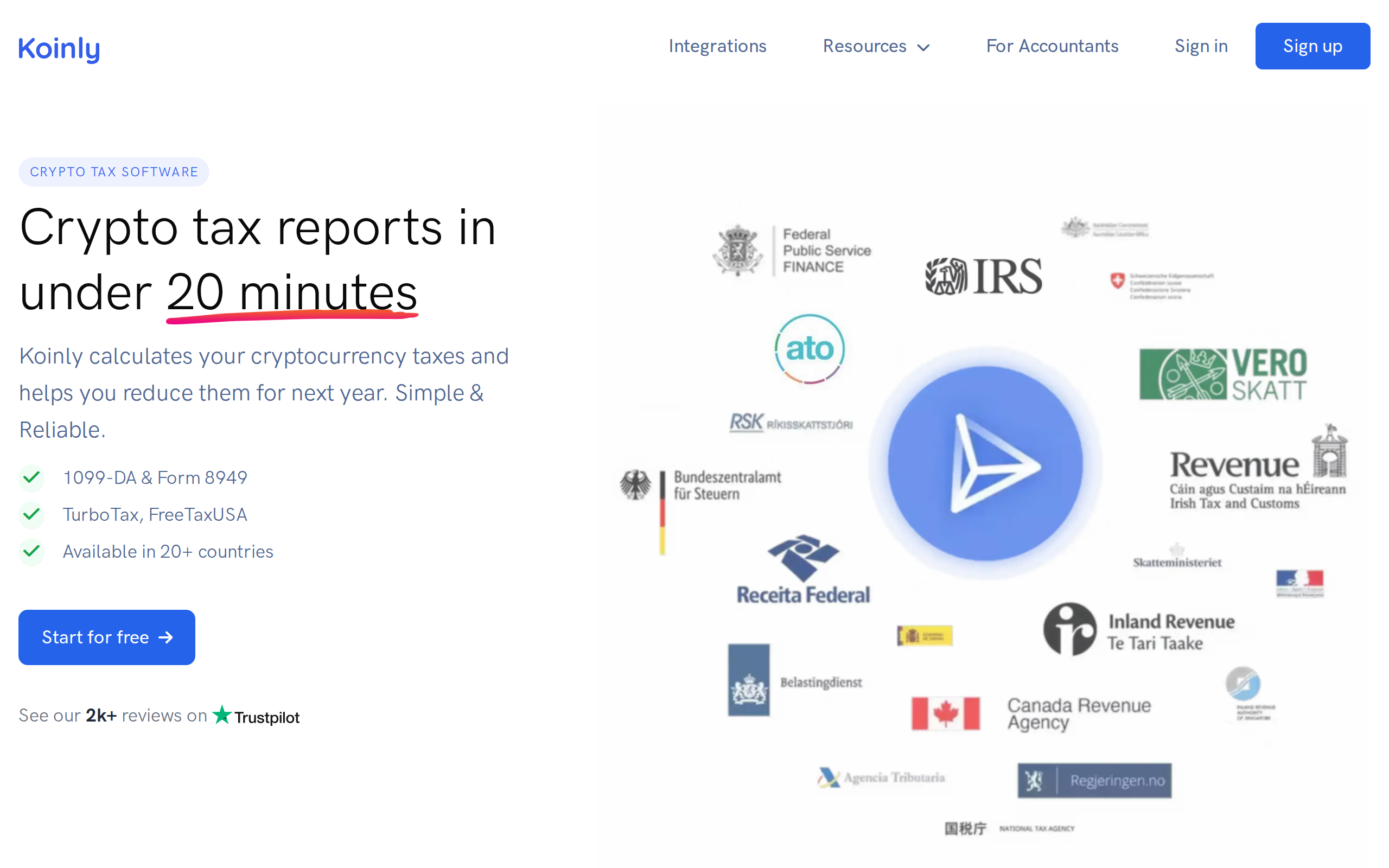
Koinly is the strongest mainstream choice for people who trade on several exchanges and touch DeFi. The free preview shows your gains before you pay, and the integrations list is long. Its report is only as good as the history you feed it: missing transfers produce wrong cost basis, and you must fix those yourself.
Best for Multi-exchange traders with some DeFi activity
Pros
- Free plan lets you import and preview gains before paying anything
- 1,000+ direct integrations and 7,200+ DeFi protocols listed by Koinly
- Paid tiers are priced per tax year, so a quiet year costs less
- Supports FIFO, LIFO and average cost, plus wallet-based tracking
Cons
- Missing transfers silently inflate gains until you reconcile them
- Transaction limits push heavy users to $199 or more per tax year
- DeFi labels often need manual correction before filing
- You pay again for each tax year you need to file
A tax report is a claim about your past, and Koinly's claim is only as good as the records behind it. That is the whole review in one sentence. The software is competent, the pricing is easier to follow than most rivals, and the failure mode is almost always the same: a transfer Koinly could not match, treated as a sale.
If you hold one coin on one exchange, you do not need this product. If your history spans four exchanges, a hardware wallet and a few swaps on Uniswap, you are the customer, and the question is how much cleanup to expect.
The free tier is the best sales pitch
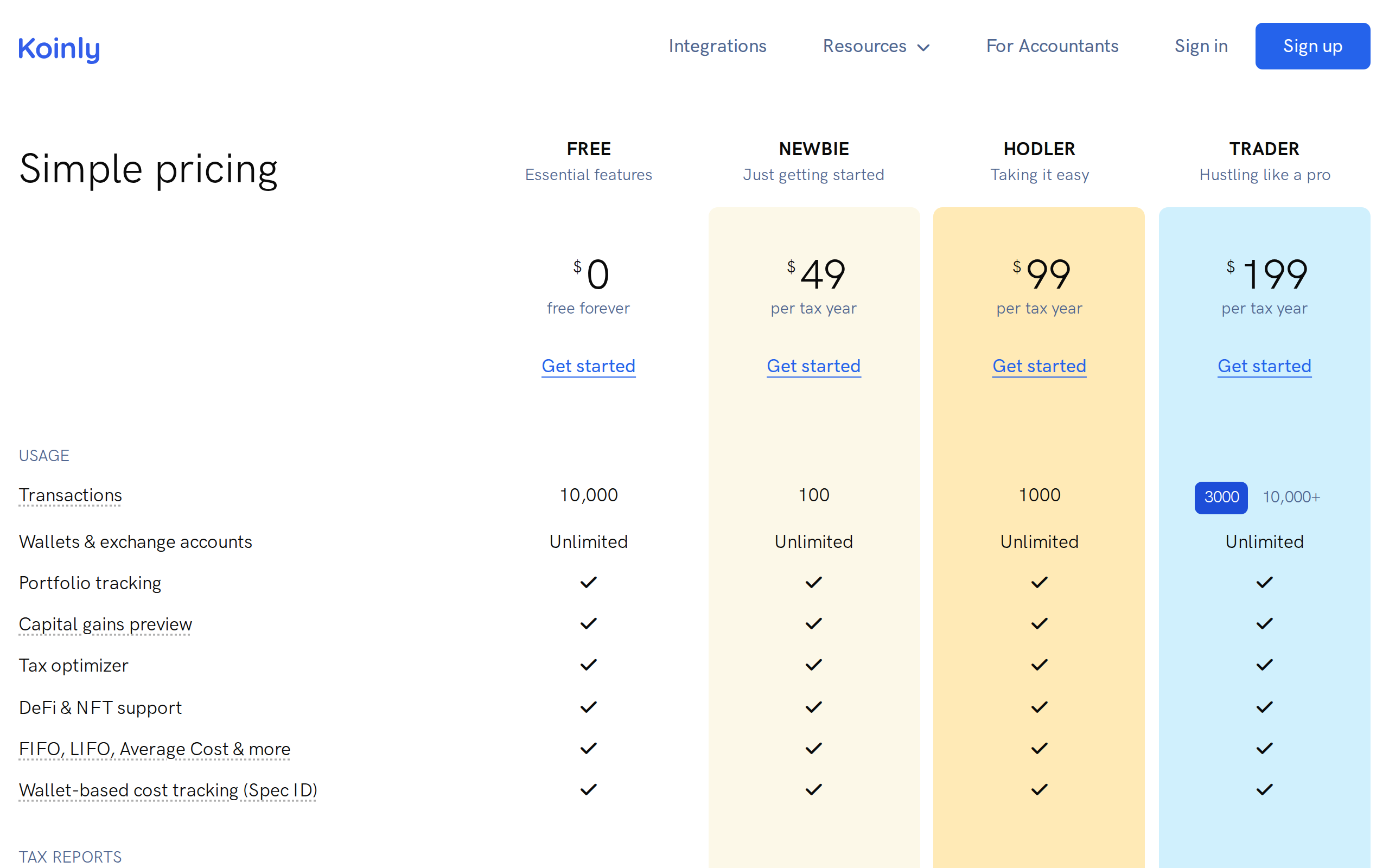
Koinly lets you add every wallet and exchange account for nothing. The pricing page lists the free plan at $0 with a 10,000 transaction ceiling, portfolio tracking, a capital gains preview and the tax optimizer. You only pay when you want the downloadable reports.
That order matters. You can see your gains figure, spot the obviously wrong lines and decide whether the import is trustworthy before spending $49 to $199. Most competitors make you commit earlier.
The tiers differ by one thing, the number of transactions: 100 on Newbie, 1,000 on Hodler, 3,000 on Trader, with a 10,000+ option above that. Limits reset each tax year according to an independent review, so a light year is cheap. Remember that a DeFi session can produce a dozen transactions in minutes, so 100 runs out faster than it sounds.
Where the import earns its keep
The integrations page promises 1,000+ direct integrations and 7,200+ DeFi protocols, plus unlimited blockchain addresses. That breadth is the real moat. Exchange APIs, CSV uploads, EVM chains, Solana, Cardano and Bitcoin extended public keys all feed the same ledger.
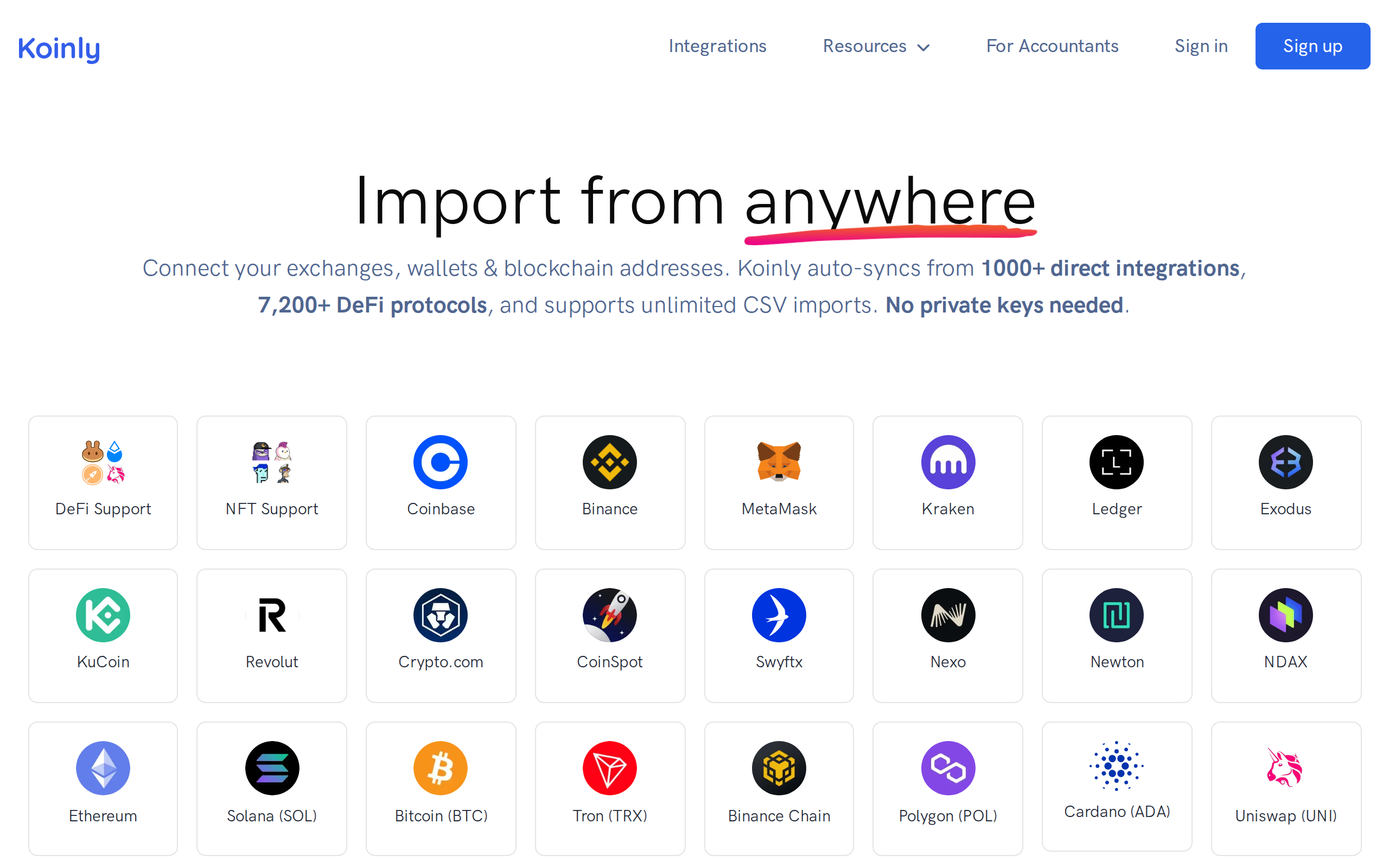
API sync is the easy path. Paste a read-only key, wait, and trades appear. CSV imports are where things get fragile, because exchanges change column names and some omit fees.
The failure we would check first
Koinly pairs a withdrawal from one place with a deposit at another and calls it a transfer. When it cannot find the match, the withdrawal looks like a disposal and the deposit looks like a free acquisition with no cost basis. The result is a larger gain than you really made.
Independent reviewers describe the same pattern: missing transfer cost basis, wrapped assets split across tickers and reward labels that differ by source. Koinly flags these in a review list, which is helpful, but it will not fix them for you.
Our rule of thumb: before you pay, open the warnings, and treat every unmatched transfer as a bug in your records rather than a feature of the tool. If the list is under a dozen items, an afternoon fixes it. If it runs to hundreds, budget for an accountant.
What the report actually contains
The free calculator on Koinly's site gives a rough estimate for a given tax year and income. The paid report is the real deliverable, with support for FIFO, LIFO and average cost, wallet-based tracking, and exports for tax forms such as Form 8949 and Schedule D, with TurboTax and TaxACT compatibility.
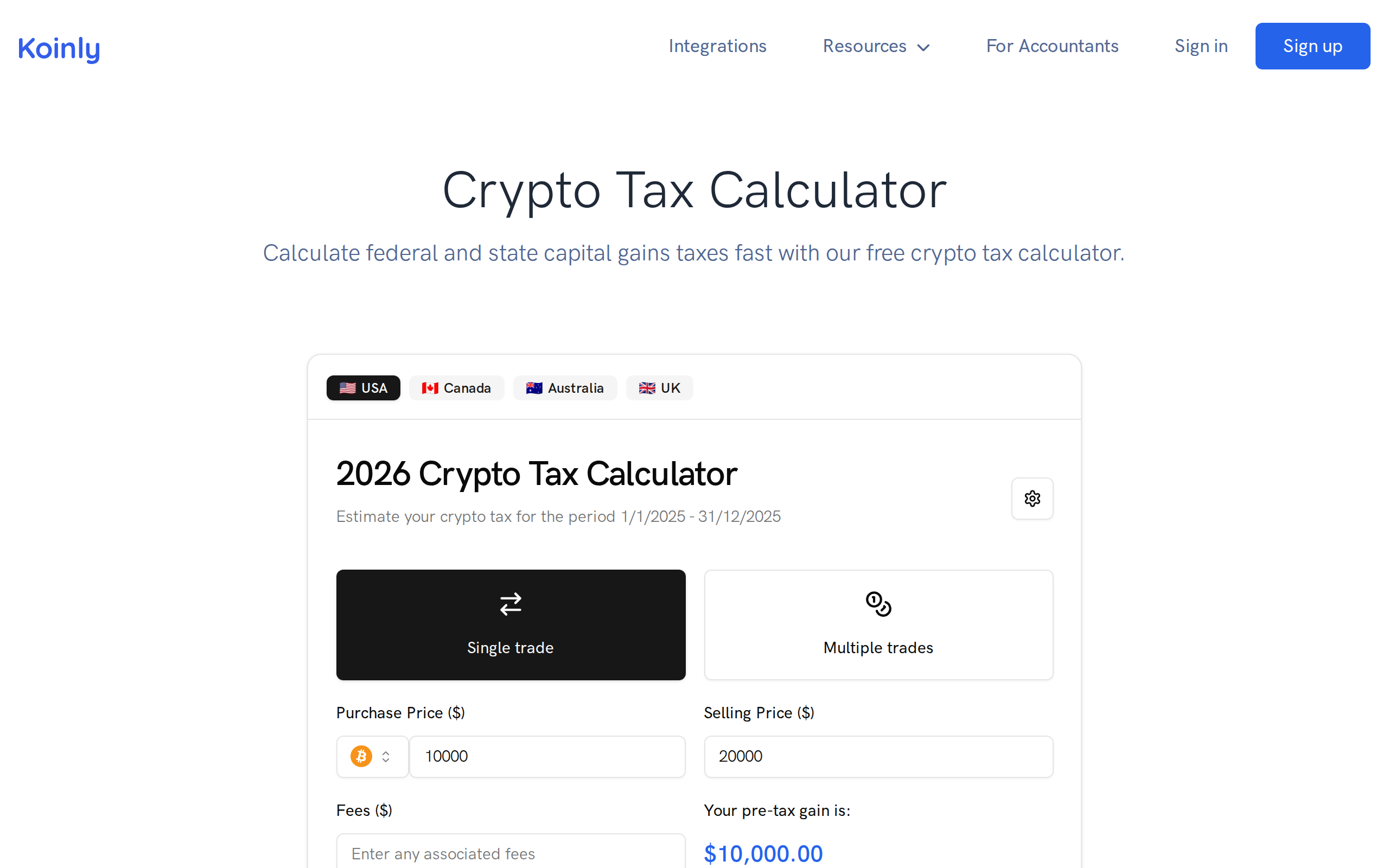
Availability is limited to 20+ countries, so check your jurisdiction before importing. Rules for staking income, airdrops and DeFi vary and the software applies a country profile, not your accountant's judgement.
Who should skip it
People with a handful of simple buys: a spreadsheet will do.
Anyone who wants the software to be right without effort. It will not be.
Heavy traders with tens of thousands of transactions, where the top tier and manual review start to approach professional fees.
Verdict
Koinly is not a promise of correctness, and no tool in this category is. It is a good ledger with a fair price ladder and an honest free preview. Use the preview as an audit of your own records first. If the gains number looks plausible after you reconcile transfers, pay for the lowest tier that covers your count. If it does not, the problem is in your history, and a different vendor will inherit it.
This is a product assessment, not tax advice. Rules differ by country, so check the final figures with a qualified preparer.
Specifications
- Free plan
- $0, up to 10,000 transactions, preview only
- Newbie
- $49 per tax year, 100 transactions
- Hodler
- $99 per tax year, 1,000 transactions
- Trader
- $199 per tax year, 3,000 transactions (10,000+ offered)
- Integrations
- 1,000+ direct, 7,200+ DeFi protocols
- Cost methods
- FIFO, LIFO, average cost, Spec ID
- Availability
- 20+ countries
As published by Koinly when we tested it.